

What You Can Expect
Our 4-Step Process

Our goal is to truly understand the needs for your child and family.
We understand that you know your child best, and with our support we will work with you to establish a clear direction for the skills and developmental areas that are most important for your child’s learning.
Assess Your Childs Skills
A language and skills assessment occurs during the first 4-6 weeks of service and remains an ongoing process throughout your child’s participation in our program.
Assessments that may be used vary depending on the age and development of your child
Assessment of Basic Language and Learning Skills-Revised (ABLLS-R, Partington)
Assessment of Functional Living Skills (AFLS, Partington & Mueller)
PEAK Relational Training (Dixon)
Verbal Behaviour Milestones Assessment & Placement Program (VB-MAPP, Sundberg)
Functional Independence Skills Handbook (FISH, Killion)
Checklist of Adaptive Living Skills (CALS, Morreau & Bruininks)
Early Start Denver Model (ESDM, Rogers & Dawson)
Hawaii Early Learning Profile (HELP)
Critical Areas of Learning
-
Attention to tasks
Cooperation and focus
Accepting when situations or routines change
Tolerating ‘no’
Being able to ‘give up’ or ‘stop’ a preferred item or activity
Participating in activities for longer periods of time (on task)
-
Asking for desired items, activities, and information
Listening and following instructions
Vocabulary and speech development
Labeling / commenting on events in the environment
Conversation skills
-
Independent play skills
Playing alongside others
Playing cooperatively with others
Turn taking
Fine motor and gross motor skills
Joining others / initiating play
Conversation and social interactions with peers
Understanding and demonstrating “social rules”
Understanding emotions and context related to social situations
-
Toilet training
Dressing
Feeding/eating and meal time behaviours
Brushing teeth
Washing and drying hands
-
Attending to teacher and participating in small group
Following group instructions
Raising hand to answer questions to share with others
Working cooperatively together to complete a task/activity
Early academics (reading, printing, math)
Following the assessment period, an Individual Service Plan (ISP) meeting will be scheduled between the family and your child’s Senior Therapist and Clinical Supervisor.
During this meeting goals that have been identified for your child during the assessment will be discussed and reviewed. Any additional goals that you have for your child will also be discussed and prepared for integration into your child’s plan.
A recommendation may be made at this time for increasing or decreasing the service hours that your child is receiving.

Growth is only steps away…let us help you activate it.
Plan Your Child’s Skills & Learning Priorities

During the Individual Service Plan (ISP) or Behaviour Support Plan (BSP) parent meeting, we will collaborate with you to identify both short and long term goals for your child. These goals will reflect key areas of development, as well as any required pre-requisite skills necessary that need to be established for optimal learning.
Goals that are reviewed during the parent meeting will be outlined in a report. This report and program goals are then reviewed with the Therapists that are working with your child.
Any goals or recommendations that have been provided to you by other professionals (e.g., Speech-Language Pathologist, Occupational Therapist, Physical Therapist, Early Intervention / Infant Development Workers etc.) will be reviewed and discussed with you for implementation, when possible, using the principles of ABA.
A program binder is created for your child’s ABA program and contains copies of the report, written programs and teaching protocols for all skill acquisition goals, along with target tracking lists, graphs and any behaviour reduction protocols.
Additional collaboration with other service providers or school personnel that are working with your child will be determined on an as needed basis throughout the service delivery period.

Behavioural interventions aim to teach desirable, safe, or useful behaviours as well as reduce any behaviours that are harmful or that interfere with a persons day to day functioning and learning
Intervene: Intervention & Skill Building
Reinforcement, prompting, shaping and chaining are a few of the strategies that we use to teach your child. We ensure that many opportunities for learning are provided and that high levels of reinforcement occurs during teaching.
Written programs plans along with Behaviour Skills Training (BST) coaching, provides the Therapists with learning the individualized approach to teaching your child new skills. Coaching is a necessary and ongoing requirement for any ABA Therapist to ensure proper implementation of the teaching procedures.
Data are gathered every session by the Therapists as a means to measure and monitor your child’s progress. Some programs may require your involvement; we will work with you to help you learn how to teach your child using the strategies that have been identified as effective for your child during therapy sessions.

Review Progress & Goals
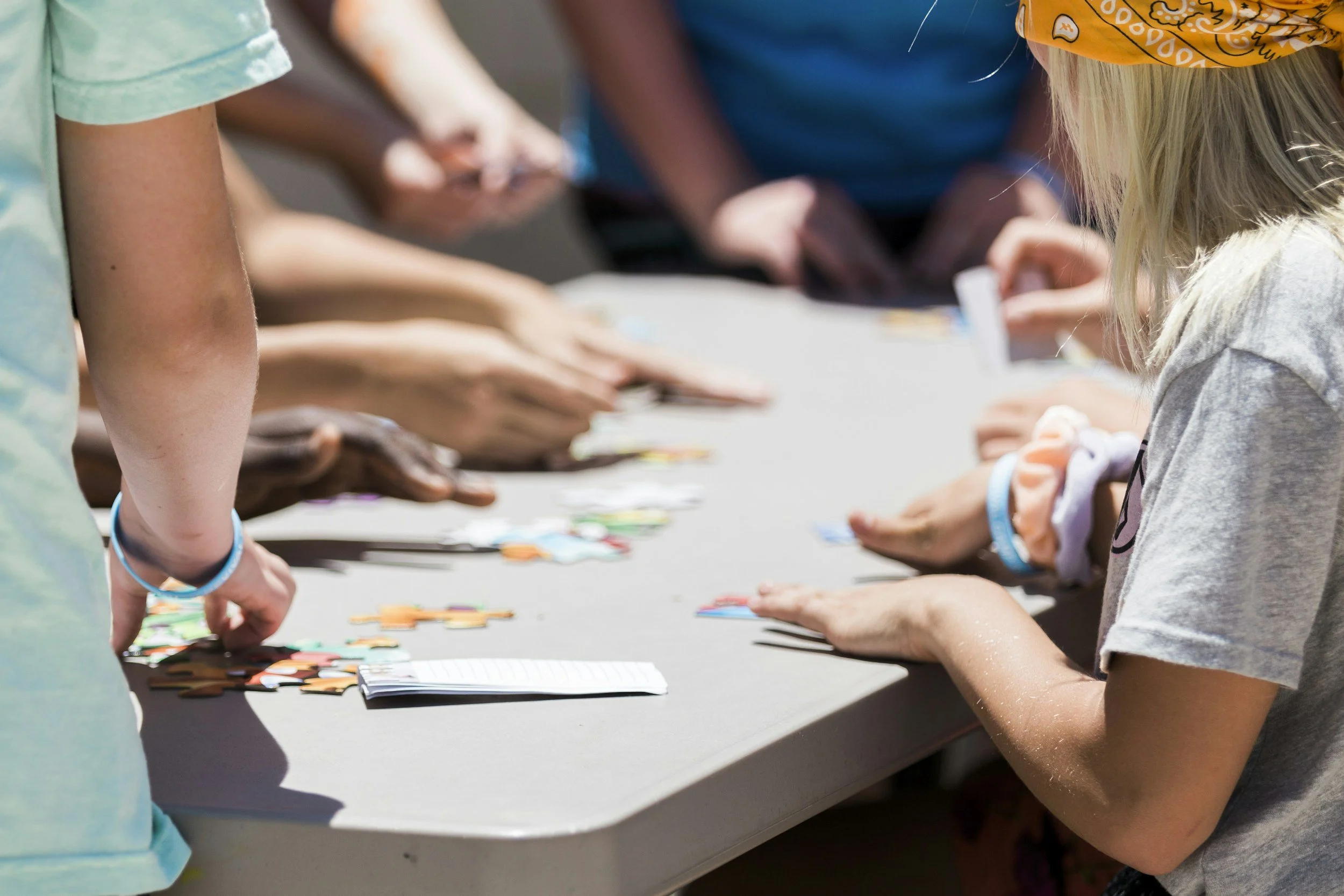
Review of your child’s program is frequent and ongoing to ensure that they learn and make progress towards their goals.
Supervision of Therapists is ongoing and is required to ensure proper implementation of the teaching plans, as well as to ensure that your child continues to make progress.
Supervision sessions by a BCBA Clinical Supervisor occur monthly or weekly depending on the number of hours of therapy that your child is receiving.
Program adjustments are recommended and implemented in a timely manner. For comprehensive and focused ABA programs, you will receive a monthly Program Update that reflects your child’s goals and progress.
Collaboration and review with other professionals involved in your child’s development is important to ensure progress and goal achievement.